

Care & Removal
How to Clean Wallpaper Glue Without Damaging It
Accidents happen, but stray wallpaper glue doesn't have to be a permanent mark. Discover the correct, gentle techniques for cleaning adhesive from your wallpaper surface without causing damage.

The short version
- Always test any cleaning method on a small, inconspicuous area of the wallpaper first, such as behind furniture.
- For fresh wallpaper glue or paste, use a clean, damp sponge to gently lift the adhesive off the surface immediately.
- For dried glue, start with the mildest method: a soft cloth lightly dampened with water and a tiny drop of clear washing up liquid.
- Avoid scrubbing, harsh chemicals, and abrasive cleaners, as these can permanently damage the wallpaper's colour and finish.
- Work from the outside of the stain inward to prevent spreading it further across the wall.
To clean wallpaper glue, gently dab the affected area with a clean sponge or microfibre cloth dampened with a weak solution of clear washing up liquid and warm water. Avoid soaking the paper or scrubbing the surface. For stubborn, dried adhesive, a specialised wallpaper paste remover may be necessary, but always test it on a hidden spot first.
What is the best way to clean wallpaper?
The best way to clean wallpaper is with a gentle, methodical approach using minimal moisture. Most modern wallpapers can withstand light cleaning for everyday marks like fingerprints or light scuffs, but aggressive techniques can cause fading, tearing, or water damage. Start by dusting the wall with a soft brush or a vacuum with a brush attachment.
For marks and stains, the key is to act quickly but carefully. Your essential toolkit should include two clean buckets, one with a mild cleaning solution and one with clean water for rinsing. You will also need several soft, colour-fast sponges or microfibre cloths. Having everything ready ensures you can tackle a mark without delay.
Remember that the type of wallpaper dictates the cleaning method. A durable, smooth matte paper may handle a slightly damp cloth well, whereas a textured or delicate paper requires a much drier technique. You can find detailed information on paper types in our wallpaper installation guide, which covers the characteristics of different finishes.
How to clean wallpaper glue from the surface?
Removing wallpaper glue that has accidentally smeared onto the front of your new mural requires a delicate touch. Whether it is a small smudge near a seam or a larger smear, the goal is to lift the adhesive without harming the printed design. The following steps outline the safest process, moving from the gentlest to a slightly stronger method if needed.
Before you begin, confirm the type of adhesive used. Water-based pastes are generally easier to remove than vinyl-over-vinyl or heavy-duty adhesives. If you are cleaning up during installation, you should have this information readily available. If you are cleaning an older wall, you will need to proceed with more caution.
Always begin with the least invasive technique. Patience is more effective than force when it comes to preserving the integrity of your wallpaper, especially on a detailed design.
Method 1: The Damp Sponge Technique
- Prepare your tools. You will need a clean, natural sponge (to avoid dye transfer) and a bowl of lukewarm water. Do not add any soap at this stage.
- Dampen the sponge. Squeeze the sponge until it is almost dry. You want it to be damp, not wet, as excess water can seep into the wallpaper seams or damage the paper itself.
- Blot the glue. Gently press the damp sponge onto the wallpaper glue. Do not wipe or scrub. The goal is to rehydrate the adhesive just enough to make it release from the surface.
- Lift, do not rub. After a few seconds, lift the sponge away. You should see some of the glue residue transfer to the sponge. Rinse the sponge in clean water, squeeze it out thoroughly, and repeat the process.
- Dry the area. Once the glue is lifted, use a dry, clean microfibre cloth to blot the area and absorb any remaining moisture.
Method 2: Mild Soap Solution
If plain water is not effective, a very mild soap solution is the next step. This is often sufficient for most standard wallpaper pastes that have had a chance to dry slightly.
- Create the solution. Add one or two drops of clear, pH-neutral washing up liquid to a small bowl of lukewarm water. Avoid coloured or heavily scented soaps.
- Test in a hidden area. Dip a cotton bud into the solution and apply it to a small, hidden patch of your wallpaper. Wait for it to dry completely to ensure it does not cause any discolouration or damage.
- Apply gently. Using a clean sponge dampened with the soap solution, gently dab the glue spot. Work from the outside edge of the glue mark inwards to prevent it from spreading.
- Rinse and dry. Use a separate sponge dampened with only clean water to blot the area and remove any soap residue. Finally, pat the spot dry with a clean, soft cloth.
Murals made to your measure
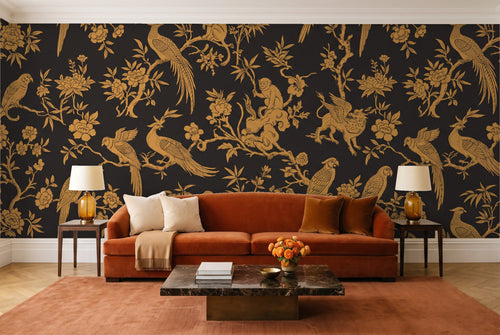
 Quai Voltaire, LinenPrinted to your wall size
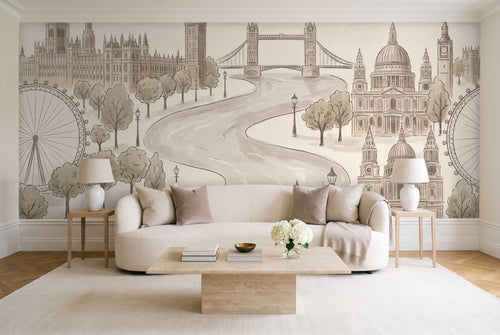
 Wetherby, LinenPrinted to your wall size
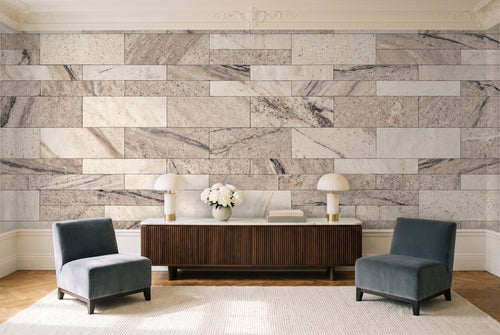
 Keswick, EtchingPrinted to your wall size
How do you clean wallpaper paste after hanging?
The most effective way to clean wallpaper paste is to do it immediately after hanging each panel. During installation, it is common for small amounts of paste to squeeze out from the seams. Addressing this while the paste is still wet is crucial for a flawless, professional finish. This is a key step in our guide on how to hang a wall mural.
Keep a bucket of clean water and a dedicated wallpaper sponge handy throughout the installation process. After smoothing each panel onto the wall, inspect the seams and edges for any excess paste. Use the clean, damp sponge to gently wipe away the adhesive with a single, smooth motion. Rinse the sponge frequently in the clean water to avoid spreading a thin, invisible film of paste over the surface.
If you miss a spot and only notice it after the paste has dried, do not panic. The dried paste will appear as a shiny or slightly cloudy patch. You can remove it using the mild soap solution method described earlier.
It may take a few gentle applications to fully dissolve and lift the dried paste, but resist the urge to scrub or scrape at it, which could permanently damage the paper.
Can all types of wallpaper be cleaned?
Not all wallpapers are created equal when it comes to cleaning. The material, finish, and printing process all determine how durable a wallpaper is. Older, more traditional papers, especially those with a fabric or grasscloth texture, are often very delicate and may not tolerate any moisture. Modern wallpapers, however, are generally more robust.
At Casavono, our made to measure murals are available on three different PVC-free papers, each with its own characteristics. Understanding these can help you care for your walls properly.
Our Non-Pasted paper, with its classic smooth matte finish, is the most durable option and holds up well to gentle cleaning. The Pre-Pasted paper has a lightly textured matte finish and is designed to suit areas with everyday humidity, like kitchens and bathrooms.
Our Peel & Stick wallpaper is a self-adhesive option that is repositionable for up to 24 hours. While convenient, its surface should be cleaned with extra care, using a nearly dry cloth to avoid getting moisture behind the edges.
A key benefit of a made to measure mural is that it is delivered in panels that are hung edge to edge, eliminating the overlapping seams that can trap dirt and be difficult to clean.
| Paper Type | Cleaning Advice | Best For |
|---|---|---|
| Non-Pasted | The most durable option. Wipe gently with a slightly damp sponge and a mild soap solution. | High traffic areas and creating a lasting, seamless feature wall. |
| Pre-Pasted | Designed for humidity. Can be cleaned carefully with a damp cloth. Avoid excess water near seams. | Kitchens, bathrooms, and spaces with fluctuating moisture levels. |
| Peel & Stick | Clean with a very lightly dampened cloth. Ensure edges remain sealed to the wall. | Renter-friendly applications and rooms where you might want to change the decor frequently. |
Discover a World of Design
From quiet landscapes to bold botanicals, find the perfect mural for your home.
How do I clean wallpaper walls without causing damage?
To clean wallpaper walls safely, the guiding principle is 'less is more'. Using too much water, the wrong cleaning agent, or excessive pressure can lead to irreversible damage. The most critical step is to always test your cleaning method on an out-of-the-way section of the wallpaper first, like behind a sofa or in a corner near the floor.
Apply your chosen cleaning solution to the test spot with a cotton bud and let it dry completely. Check for any colour bleed, textural changes, or weakening of the paper. This is especially important for wallpapers with deep, saturated colours or delicate, intricate patterns.
When you are ready to clean the visible mark, use a light touch. Dab or blot the stain rather than rubbing it in a circular motion. Rubbing can spread the stain and abrade the wallpaper's surface, creating a worn or shiny patch. Always use a white or natural colour-fast cloth to prevent any dye from the cloth transferring onto your wallpaper.
What household items can I use to clean my wallpaper?
Several common household items can be effective for cleaning wallpaper, provided they are used correctly. However, many others can cause significant damage and should be avoided. A well-prepared wall, as detailed in our guide to wall preparation, provides the best foundation for a long-lasting and easy-to-maintain finish.
The safest and most recommended household cleaner is a simple solution of clear washing up liquid and water. White vinegar, heavily diluted with water, can also be effective for cutting through greasy marks, but its acidity requires careful testing. A paste of baking soda and water is sometimes suggested, but it is mildly abrasive and can damage delicate finishes, so it should be used with extreme caution, if at all.
Never use bleach-based cleaners, abrasive powders, solvent-based stain removers, or magic erasers on your wallpaper. These products are too harsh and will almost certainly strip colour, tear the paper, or leave a permanent mark. When in doubt, stick to water and a clean sponge. For more insights into durable and easy-to-care-for options, consider exploring our article on the best peel and stick wallpaper.
| Household Cleaner | Pros | Cons |
|---|---|---|
| Washing Up Liquid | Gentle & Effective. A few drops in water can lift most common household stains and water-based paste residue. | Can Leave Residue. Must be 'rinsed' with a separate clean, damp cloth to avoid leaving a sticky film. |
| White Vinegar | Cuts Grease. A highly diluted solution (1 part vinegar to 10 parts water) can help with greasy fingerprints. | Acidic Nature. Can be too harsh for some dyes and papers. Must be tested thoroughly before use. |
| Baking Soda | Absorbs Grease. Can sometimes lift a fresh grease spot when applied as a paste and gently removed. | Abrasive Risk. The fine particles can scratch and dull the wallpaper's finish. Not recommended for most situations. |
Always Test First. Before applying any cleaning solution to a visible area of your wallpaper, test it on a small, hidden patch. Apply, let it dry for 24 hours, and check for any discolouration, texture change, or damage to the finish.
How to handle stubborn stains and marks?
For stains that go beyond a simple smudge or paste residue, a more targeted approach is needed. Stubborn marks like crayon, ink, or grease require specific, careful treatment. Always remember to tackle the stain as soon as you notice it, as fresh stains are significantly easier to remove than those that have had time to set into the paper fibres.
Grease stains can sometimes be treated by applying cornflour or talcum powder to the spot. Let it sit for an hour to absorb the oil, then gently brush it away. On a light-coloured mural, a permanent stain might be very noticeable, so prevention and immediate, gentle cleaning are the best strategies.
When is cleaning not the right solution?
Sometimes, a stain is too deep, the damage is too extensive, or the wallpaper is simply too old and fragile to be cleaned effectively. In these situations, attempting to clean can make the problem worse. It is important to recognise when to stop and consider other options, such as repair, replacement, or even covering the wall.
If the wallpaper is tearing, peeling at the seams, or has significant water damage from a leak, cleaning is not the answer. These are structural issues that need to be addressed differently. Similarly, if the wallpaper has faded unevenly due to sunlight, cleaning will not restore the colour. Widespread, set-in stains from smoke or cooking fumes are also unlikely to come out without damaging the paper.
In such cases, you might wonder, can you paint over wallpaper? While it is sometimes possible, it often leads to subpar results. A better long-term solution is to remove the old paper and start fresh.
A new, made to measure mural from our collection of wallpaper murals can completely transform a room, ensuring a clean, perfect finish that is customised to your exact wall dimensions. You can use our free online wallpaper calculator to see how a new design would fit your space.
More murals to consider
 Yoshino, JadePrinted to your wall size
 Buttermere, PearlPrinted to your wall size
 Folio, OatPrinted to your wall size
Common questions
Can you use magic erasers on wallpaper?
It is not recommended to use magic erasers on wallpaper. They are a form of very fine abrasive and work by physically scrubbing away the top layer of a surface. On wallpaper, this action can easily remove the colour, damage the printed pattern, and wear away the finish, leaving a permanent, faded patch.
How often should I clean my wallpaper?
Wallpaper does not require frequent, routine cleaning. You should dust your walls with a soft brush or the brush attachment of a vacuum every few months to prevent build-up. For marks, scuffs, or stains, you should clean them as soon as you notice them, as immediate action is most effective.
What's the difference between wallpaper glue and paste?
In modern usage, the terms 'wallpaper glue' and 'wallpaper paste' are often used interchangeably to refer to the adhesive that secures the paper to the wall. Traditionally, paste was a starch-based mixture, while glue implied a stronger, often synthetic, adhesive. Today, most products are advanced formulations designed for specific paper types.
Can I clean vinyl or washable wallpaper more aggressively?
While wallpapers labelled as 'washable' or 'scrubbable' (often vinyl-based) are more durable, you should still proceed with caution. They can tolerate more moisture and slightly more pressure than standard paper, but harsh chemicals and abrasive tools can still cause damage. Always start with the gentlest method first.
How do I remove old, dried wallpaper glue from the wall itself?
To remove old adhesive from a bare wall after stripping wallpaper, use a solution of hot water and a few drops of washing up liquid, or a specialised wallpaper remover. Apply it with a sponge or sprayer, let it soak in for several minutes to soften the glue, and then scrape it off with a putty knife.
Does the cleaning method vary by wallpaper finish?
Yes, the finish is critical. A smooth, matte finish requires a gentle dabbing motion with minimal water. A textured finish, like grasscloth or flock, is very delicate and may only tolerate dry cleaning methods like dusting. A vinyl or 'scrubbable' finish is the most durable and can handle more moisture. For more details, check our frequently asked questions.
Made to your measure
Murals for the wall you have in mind


Before you order