
The complete guide
Wood Accent Wall Ideas to Transform Any Room
A wood accent wall adds warmth and texture to any space. Explore popular styles like vertical slats, reclaimed shiplap, and elegant wood trim panels, and find the perfect idea for your living room, bedroom, or office.

The short version
- Wood accent walls introduce natural texture and create a strong focal point in a room.
- Popular styles range from modern vertical slats and geometric patterns to rustic reclaimed barn wood and classic shiplap.
- Wood trim, such as board and batten or panel moulding, can be used to frame wallpaper for a sophisticated, layered look.
- Wood-effect wallpaper offers a versatile, DIY-friendly, and often more affordable alternative to real wood panels or planks.
- Proper wall preparation and accurate measuring are essential for achieving a professional finish, whether using real wood or wallpaper.
Wood accent wall ideas range from sleek, modern vertical slats to characterful reclaimed barn wood. The best approach involves choosing a style that complements your room's architecture and existing decor, whether it is a rustic, coastal, or contemporary theme. Alternatives like wood-effect wallpaper offer similar visual warmth with simpler installation.
What are the best ideas for wood accent walls?
The best ideas for wood accent walls depend on the aesthetic you wish to achieve. For a contemporary space, thin vertical wood slats create a sense of height and sophistication. For a more rustic or farmhouse feel, horizontal shiplap or reclaimed wood planks with natural imperfections add warmth and history.
Geometric patterns, such as herringbone or chevron, made from wood pieces can serve as a dynamic piece of art. Another elegant option is using wood trim to create panels, a style known as board and batten or picture frame moulding. This adds architectural interest and can frame a beautiful wallpaper mural perfectly.
Consider the type of wood and its finish. Light woods like pine or oak can brighten a room and suit Scandinavian or coastal designs. Darker woods such as walnut or mahogany create a moody, luxurious atmosphere ideal for a study or bedroom. The key is to balance the texture of the wood with the other elements in the room.
How can I create a modern wood slat wall?
To create a modern wood slat wall, the focus is on clean lines and precise installation. This popular style, often seen in minimalist and mid-century modern interiors, uses narrow, evenly spaced wooden battens to create a textured, linear effect. Vertical slats are most common as they make ceilings appear higher.
Start by choosing your wood; oak and walnut are popular choices for their rich grain and durability. The slats should be uniform in width and thickness, typically around 1 to 2 inches (2.5 to 5 cm) wide. The spacing between them is a crucial design decision. A gap equal to the slat width creates a classic rhythm, while a narrower gap offers a more subtle texture.
The slats can be stained or painted to match your decor. A clear coat preserves the natural colour, while black paint creates a dramatic, graphic look. For installation, you can fix them directly to the wall or to a painted backing board for extra depth. Always use a spirit level to ensure every slat is perfectly straight.
For a similar linear effect without the carpentry, you can explore designs from our Striped Wallpaper collection. A made to measure design ensures the pattern is scaled perfectly to your wall's dimensions.
Murals made to your measure
 Shoal, PosyPrinted to your wall size
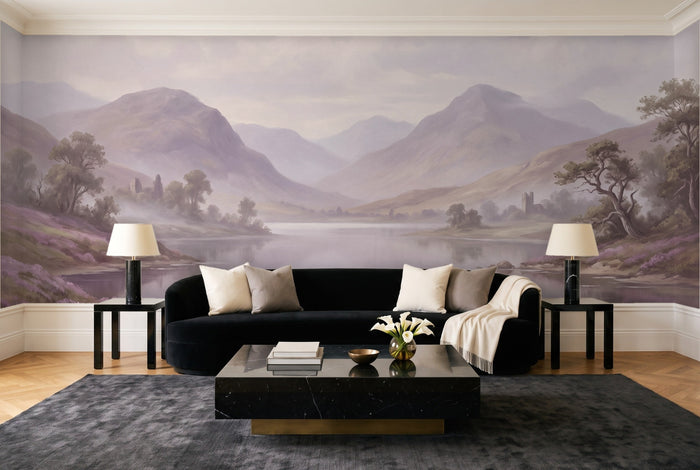
 Komorebi, PearlPrinted to your wall size
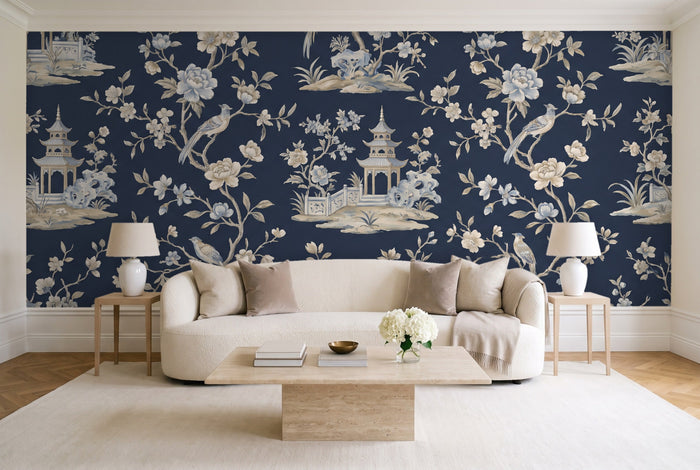
 Bercy, MidnightPrinted to your wall size
What are some rustic wood walls ideas?
Rustic wood wall ideas centre on celebrating the natural, imperfect character of timber. The goal is to bring a sense of history and organic warmth into a space. Reclaimed barn wood is a classic choice, offering a unique patina, saw marks, and nail holes that tell a story. Each plank is different, creating a truly one-of-a-kind feature.
Shiplap is another popular option, associated with farmhouse and coastal styles. Traditionally installed horizontally, these boards have a small groove between them that creates a distinct shadow line. You can paint shiplap white for a fresh, clean look or leave it in its natural state for a more rugged feel.
A log cabin effect, using rounded wood profiles, can create a cosy, lodge-like atmosphere in a den or bedroom. For any rustic style, the key is to embrace texture. Avoid overly sanded or polished finishes. Instead, opt for matte or waxed surfaces that highlight the wood's grain and imperfections. This approach creates a tactile and visually engaging surface that feels authentic and inviting.
Can I use wood trim for an accent wall?
Yes, using wood trim is an excellent way to create a sophisticated and architectural accent wall. This technique, often called panel moulding or wainscoting, uses trim pieces to form geometric shapes, typically rectangles or squares, on the wall. It adds depth and a classic, elegant feel that works well in traditional, transitional, and even modern homes.
The two most common styles are board and batten and picture frame moulding. Board and batten uses wide vertical boards joined by thinner horizontal battens, creating a clean, structured look. Picture frame moulding uses decorative trim to create the illusion of inset panels, which is a more delicate and formal style.
A major advantage of a wood trim accent wall is its ability to showcase other finishes. The wall space inside the frames becomes a perfect canvas. You can paint the interior sections a contrasting colour or, for a truly stunning effect, install a wall mural. The trim acts as a natural frame for the artwork.
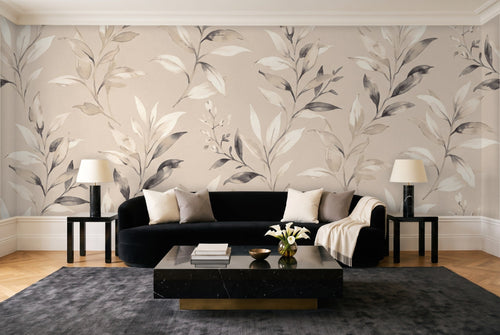
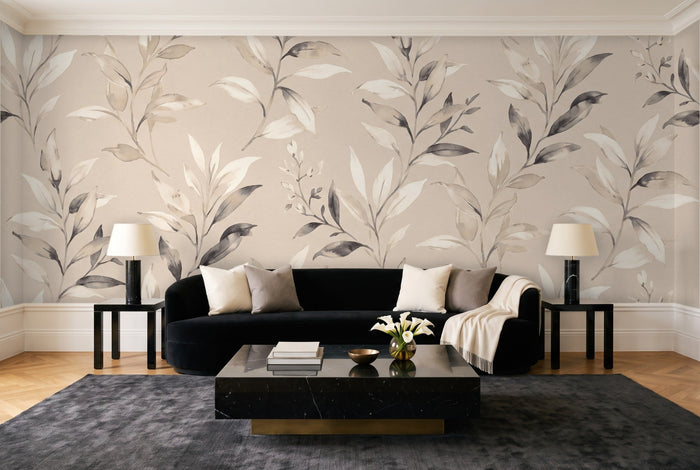
Imagine a delicate floral like a Komorebi, Pearl mural adding softness to a bedroom, or the gentle hues of a Summerwing, Blush design in a nursery. The combination of architectural trim and a beautiful mural creates a custom, high-end look that feels both timeless and personal.
What is the easiest DIY wood accent wall?
The easiest DIY wood accent wall is typically one that uses lightweight, pre-finished materials and a simple installation method. A great option for beginners is using thin plywood sheets cut into planks or geometric shapes. You can attach these to the wall with construction adhesive and a few finishing nails, minimising the need for complex tools.
Another user-friendly approach is using peel-and-stick wood products. These are genuine thin wood veneers or engineered lookalikes with a self-adhesive backing. You simply cut them to size, peel off the protective layer, and press them onto the wall. This avoids the mess of glue and the noise of a nail gun, making it an accessible weekend project.
However, for the ultimate in ease and versatility, a wood-effect mural is often the best choice. Casavono’s Peel and Stick Wallpaper option is particularly suited for DIYers. It is self-adhesive, requires no paste, and is repositionable for up to 24 hours during installation, which is very forgiving. It is also a fantastic choice for renters, as covered in our guide to Contemporary Accent Wall Ideas.
| DIY Option | Advantage | Drawback |
|---|---|---|
| Real Wood Planks | Authentic Texture. Offers genuine wood grain and depth that you can feel. | Less Forgiving. Mistakes in cutting or placement can be permanent and costly. |
| Peel & Stick Wood Veneer | Simple Installation. No glue or nails required for a quick application. | Limited Designs. The choice of wood types, colours, and patterns is often restricted. |
| Wood-Effect Wallpaper | Highly Repositionable. The Peel & Stick option allows for easy adjustments during hanging. | Lacks Physical Depth. It is a two-dimensional image, although high-resolution printing creates a very convincing illusion. |
Which room works best for a wood feature wall?
A wood feature wall can work beautifully in almost any room, but its impact is greatest where you want to establish a focal point or create a specific mood. The living room is a classic choice, with the accent wall often placed behind the main sofa or fireplace. This anchors the seating area and adds a warm, inviting backdrop for socialising.
In the bedroom, a wood wall behind the headboard creates a cosy and grounding atmosphere. It can turn the bed into a dramatic centrepiece and eliminate the need for a separate, bulky headboard. The natural material promotes a sense of calm and relaxation, which is ideal for a restful space. You can find more inspiration in our collection of Bedroom Wallpaper.
Home offices and studies also benefit greatly from a wood accent wall. The texture can make the space feel less sterile and more inspiring. A sophisticated wood finish can serve as a professional background for video calls. A world map mural, like the Cartographer, Slate design, paired with dark wood trim can create a distinguished, scholarly look.
Even dining areas and entryways can be enhanced. A wood wall in a dining room can define the space and make meals feel more intimate. In an entryway, it offers a warm welcome and a durable surface that can handle the traffic of a busy home. For more room-specific guidance, explore our wallpaper ideas by room.
Acclimatise your materials. If using real wood planks or panels, let them sit in the room for at least 48 to 72 hours before installation. This allows the wood to adjust to the room's temperature and humidity, preventing warping or shrinking after it is on the wall.
How do I combine a wood wall with wallpaper?
Combining a wood wall with wallpaper creates a rich, layered interior with contrasting textures and patterns. One popular method is the half-and-half wall, where the lower portion is clad in wood (like wainscoting or shiplap) and the upper portion is covered in wallpaper. This technique adds classic character and protects the lower wall from scuffs and marks.
Another effective strategy is to use wood as a feature on one wall and wallpaper on the adjacent or opposite walls. The key is to create a harmonious relationship between the two.
If you have a dark, richly grained wood wall, consider a lighter, more subtle wallpaper on the other walls to keep the room from feeling too heavy. Conversely, a light wood wall pairs beautifully with a bolder, more colourful mural.
A dramatic cityscape like Bercy, Midnight can create a stunning contrast against the natural grain of light oak or maple. The deep navy tones of the mural would be complemented by the warmth of the wood, creating a balanced yet dynamic space. The wood provides an organic frame that enhances the artwork of the mural.
Finally, as mentioned earlier, wood trim can be used to create panels that frame wallpaper. This approach treats the wallpaper like a piece of art, giving it definition and presence. It is a fantastic way to integrate a detailed or panoramic mural into a room in a structured, intentional way. You can explore more ideas in our guide to Living Room Accent Wall Ideas.
See the bigger picture
Our collection features thousands of designs to complement any wood accent.
What are the alternatives to a real wood accent wall?
The primary alternative to a real wood accent wall is a high-quality, wood-effect wall mural or wallpaper. Modern printing technology allows for incredibly realistic designs that capture the subtle grain, knots, and colour variations of real timber. This option offers several distinct advantages over using actual wood.
First, versatility is unmatched. You are not limited to locally available timber. You can have the look of any wood, from Scandinavian pine to exotic teak, in any style, be it smooth planks, rustic slats, or intricate parquet patterns. A made to measure mural ensures the design is scaled perfectly to your wall, with no awkward cuts or wasted material.
Second, installation is often simpler and less messy. A Casavono mural is delivered in numbered panels that are hung edge to edge. There is no sawing, sanding, or nailing involved. Our Peel & Stick paper is particularly DIY-friendly and renter-friendly, as it can be removed without damaging the wall. This makes it a practical choice for temporary decoration.
Finally, wallpaper is easier to maintain. It does not require staining, sealing, or dusting like textured wood can. A simple wipe with a damp cloth is all that is needed to keep it clean.
How do I prepare a wall for a wood accent feature?
Proper wall preparation is the foundation of a successful accent wall, whether you are using real wood or wallpaper. A clean, smooth, and dry surface is essential for proper adhesion and a professional-looking result. Any imperfections on the wall can telegraph through to the final finish.
Start by clearing the wall of all furniture and removing any pictures, shelves, and outlet covers. Next, clean the wall thoroughly with a sugar soap solution or a mild detergent to remove any dust, grease, or grime. Rinse with clean water and allow the wall to dry completely, which may take up to 24 hours.
Inspect the surface for any damage. Fill any holes or cracks with a suitable filler, then sand the patches smooth once they are dry.
If the wall has a heavy texture, you may need to skim coat it with a thin layer of joint compound and sand it smooth for a perfectly flat base. For real wood, this ensures your panels lie flat; for wallpaper, it prevents the texture from showing through.
Finally, if you have recently painted, you must allow the paint to cure fully. This can take three to four weeks. Applying wallpaper or adhesive to uncured paint can cause bubbling and peeling. For a complete walkthrough, consult our detailed guide on how to prepare a wall for wallpaper.
How do you measure for a wood accent wall?
Accurate measuring is crucial to ensure you purchase the right amount of material and achieve a flawless finish. The method differs slightly depending on whether you are using fixed-size panels or a made to measure mural.
For wood planks or panels, you need to calculate the total square footage of the wall. Measure the wall's width and height in inches or centimetres, and multiply them to get the area. It is wise to purchase some extra material to account for mistakes, offcuts, and any damaged pieces. This contingency is vital for avoiding delays if you run short.
For a made to measure wall mural from Casavono, the process is simpler and more precise. We print your mural to the exact dimensions of your wall. Follow these steps for an accurate measurement:
- Measure the full width of the wall from corner to corner at its widest point. Do not subtract for doors or windows.
- Measure the full height of the wall from ceiling to floor at its tallest point.
- Once you have the widest and tallest measurements, add approximately 4 inches (10 cm) to both the final width and height. This extra margin accounts for slight variations in wall straightness and gives you trimming excess for a perfect edge-to-edge finish.
- Enter these final dimensions into our free online wallpaper calculator to see how your chosen mural will be divided into panels.
This made to measure approach guarantees the entire image fits perfectly with no waste. For more detail, see our full guide on how to measure for wallpaper.
More murals to consider
 Cartographer, SlatePrinted to your wall size
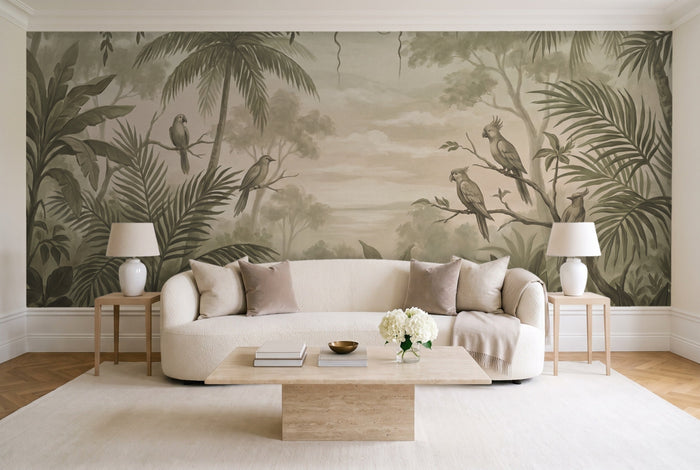
 Holkham, OatPrinted to your wall size
 Summerwing, BlushPrinted to your wall size
Common questions
How much does a wood accent wall cost?
The cost of a wood accent wall varies widely based on the material and installation method. Reclaimed wood can be expensive due to sourcing and preparation. DIY projects with common lumber are more budget-friendly. A wood-effect wall mural is an alternative to real wood, offering a high-end look with a DIY-friendly installation.
Is a wood accent wall a timeless trend?
Yes, a wood accent wall is a timeless design choice. Natural materials like wood have an enduring appeal that transcends fleeting trends. While specific styles like shiplap or dark slats may ebb and flow in popularity, the inherent warmth and texture of wood will always be a desirable element in interior design. You can see how natural textures feature in our wallpaper trends 2027 guide.
Can I put a wood accent wall in a bathroom?
Putting a real wood accent wall in a bathroom can be challenging due to high humidity, which can cause wood to warp, swell, or develop mould. If you choose real wood, it must be a moisture-resistant species and be thoroughly sealed. A practical alternative is using a wall mural from our Bathroom Wallpaper collection; our Pre-Pasted paper is suitable for the everyday humidity found in bathrooms.
How do you clean a wood accent wall?
Cleaning a wood accent wall depends on its finish. For sealed or painted wood, a light dusting or wiping with a slightly damp cloth is usually sufficient. Unfinished or rustic reclaimed wood should only be dry-dusted or vacuumed with a soft brush attachment. In contrast, all Casavono wall murals can be gently wiped clean with a damp sponge, making them simple to maintain.
What colour should I paint the other walls?
When you have a wood accent wall, the other walls should be painted a colour that complements the wood's undertones. Warm, off-white, beige, or soft grey are safe and effective choices that allow the wood to be the star. For a bolder look, you can pull a subtle colour from the wood's grain or from an adjacent wallpaper mural to create a cohesive colour scheme.
Made to your measure
Murals for the wall you have in mind
Before you order