

Care & Removal
How to Use a Wallpaper Steamer to Strip a Room
Stripping old wallpaper can feel like a daunting task, but a wallpaper steamer makes the job much faster. Our guide walks you through the process, from preparation to the final clean-up, for a perfect finish.

The short version
- Prepare the room by moving furniture, covering floors, and turning off the electricity to the area.
- Score the wallpaper surface with a scoring tool to create small holes for the steam to penetrate.
- Fill the steamer with water, allow it to heat up, then hold the steam plate against the wall for 10-20 seconds.
- Use a stripping knife or scraper to gently peel away the softened wallpaper and adhesive.
- Work in small, manageable sections from the top of the wall downwards, cleaning the wall afterwards.
To use a wallpaper steamer, first fill it with water and let it heat up. After preparing and scoring the wall, press the hot plate against a section of wallpaper for about 10 to 20 seconds. The steam will dissolve the adhesive, allowing you to gently scrape the paper off with a stripping knife.
What Tools Do I Need to Steam Wallpaper Off?
Gathering all your tools before you begin will make the process much smoother. Having everything within reach means you can work efficiently without having to stop and search for an item. A well-prepared workspace is a safe workspace.
Here is a complete list of what you will need:
- Wallpaper steamer
- Wallpaper scoring tool
- Stripping knife or scraper (a flexible blade is ideal)
- Bucket of warm water and a sponge
- Old towels or rags
- Dust sheets or plastic sheeting
- Step ladder
- Protective gloves (heat-resistant) and safety goggles
- Bin bags for the old wallpaper
These tools will cover every stage of the job, from preparing the room to the final clean-up. Ensuring you have good quality tools, especially a sharp stripping knife, will make a noticeable difference to the final result.
How Do I Choose the Best Wallpaper Steamer?
The best wallpaper steamer for your project depends on the size of the room and the type of wallpaper. While most domestic steamers function similarly, certain features can make the job significantly easier and safer. Consider the following points when hiring or buying one.
A larger water tank means fewer refills, which is a great time-saver for big rooms. A long, flexible hose is also crucial for reaching the top of walls and navigating around furniture. Look for a model that is easy to carry and has a stable base to prevent it from tipping over.
This table compares key features to look for in the best wallpaper steamers.
| Feature | Why It Matters | Recommendation |
|---|---|---|
| Water Tank Capacity | A larger tank allows for longer continuous steaming, reducing downtime from refills. | Choose a capacity suitable for your room size to minimise refills. |
| Hose Length | A longer hose provides better reach for high walls and ceilings without moving the unit constantly. | A longer hose is ideal for flexibility and reaching high areas. |
| Steam Plate Size | Most steamers come with a large plate for main walls and a smaller one for awkward areas. | Ensure the kit includes both a large and a small plate for maximum efficiency. |
| Safety Features | Features like automatic shut-off and a cool-touch hose are vital for preventing burns and accidents. | Prioritise models with clear safety certifications and instructions. |
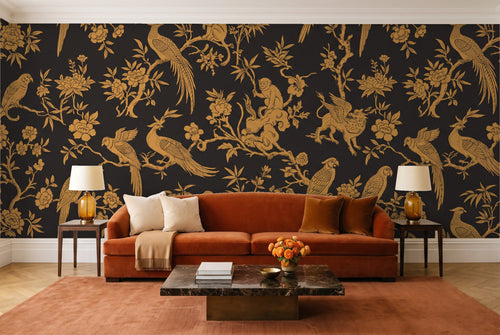
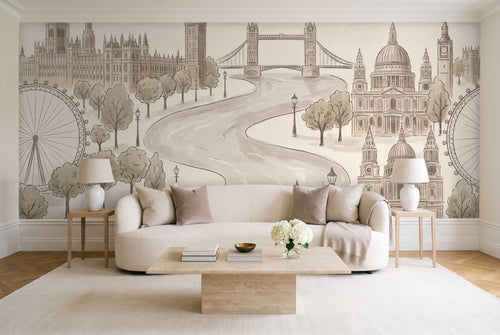
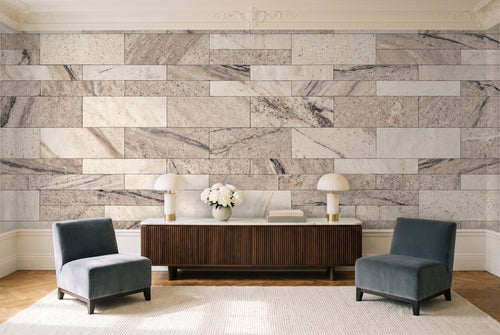
Murals made to your measure
 Haar, OatPrinted to your wall size
 Ichiyo, BlushPrinted to your wall size
 Carrara, JadePrinted to your wall size
How Should I Prepare the Room for Steaming?
Proper preparation is the most important step for a successful and safe wallpaper removal project. Steam involves heat and a lot of water, so protecting your room and its contents is essential before you even switch the steamer on. Take your time with this stage.
First, empty the room of as much furniture as possible. For large items that cannot be moved, pull them to the centre of the room and cover them completely with dust sheets. Lay down waterproof plastic sheeting on the floor, running it a few inches up the wall, and secure it with tape. Cover this with old towels or absorbent dust sheets to catch drips.
Safety is paramount. Turn off the electricity to the room at the consumer unit. Use masking tape to cover all electrical sockets and light switches to prevent any water from getting inside. This step is non-negotiable and protects you from the risk of electric shock.
How to Strip Wallpaper with a Steamer: The Step-by-Step Process
Once the room is prepared, you are ready to begin the removal process. The key is to work methodically in small, manageable sections, typically the width of one wallpaper drop at a time. This ensures the adhesive does not have time to cool and re-bond before you can scrape it off.
Follow these steps for a clean removal.
-
Score the Wallpaper
Take your scoring tool and run it over the entire surface of the wallpaper in circular motions. Apply firm but gentle pressure. The goal is to create thousands of tiny holes in the paper's surface without gouging the plaster wall underneath. This step is crucial for vinyl or washable wallpapers, as it allows the steam to bypass the waterproof coating and reach the paste.
-
Heat the Steamer
Fill your wallpaper steamer’s tank with water to the indicated fill line and switch it on. Allow time for the water to boil and start producing steam. Wait until you see a steady flow of steam coming from the plate before you begin using it on the wall.
-
Steam a Section
Start at the top of a wall. Hold the steam plate flat against the wallpaper for about 10 to 20 seconds. You may see the paper darken or bubble slightly as the steam works. Do not press too hard or hold it in one spot for too long, as this can damage the plaster underneath. Listen for a gentle sizzling sound, which indicates the steam is penetrating.
-
Scrape and Peel
Move the steam plate to an adjacent section and, while it works, use your stripping knife to get under the edge of the section you just steamed. The paper should peel away easily. If it resists, apply steam for a few more seconds. Scrape away the softened paper and glue, letting it fall onto your prepared floor coverings.
-
Work Downwards and Repeat
Continue this process of steaming one section while scraping the previous one. Work from the top of the wall down to the bottom. This allows gravity to help, as any water drips will run down over areas you still need to strip, helping to soften them further. Overlap your steamed sections slightly to ensure no patch of adhesive is missed.
Ready for a Fresh Start?
Once the old paper is gone, explore a world of new possibilities.
How to Take Off Wallpaper with a Steamer in Difficult Areas
Not all walls are simple, flat rectangles. Corners, ceilings, and areas around windows or door frames require a bit more care. For these tricky spots, it is often best to use the smaller steam plate attachment that comes with most wallpaper steamers.
For internal corners, press the side of the steam plate firmly into the corner to direct steam into the crease. You may need to approach it from both sides. Use the corner of your stripping knife to carefully lift the paper’s edge without digging into the wall.
Around sockets and switches (with the power off), use the small steam plate and hold it carefully around the edges. Use a narrow scraper or the corner of your main tool to gently ease the paper away. Be patient and avoid using too much water near electrical fittings.
Some patches of wallpaper can be particularly stubborn, especially if extra adhesive was used during installation. For these areas, steam the section for a few seconds longer than usual and gently scrape away the top layer of paper. Then, apply steam again directly to the backing paper and remaining glue. This two-step approach often breaks down the most resilient adhesive.
What If the Wallpaper is Painted Over?
Removing painted wallpaper presents an extra challenge because the paint creates a barrier that steam cannot easily penetrate. This is one reason why an expert would always advise removing old wallpaper rather than taking a shortcut. You can find more detail in our guide about whether you can you paint over wallpaper.
To tackle this, you must be very thorough during the scoring stage. The paint layer needs to be heavily perforated to give the steam a chance to get through to the paper and adhesive underneath. You may need to go over the surface multiple times with your scoring tool, applying firm pressure.
When you begin steaming, expect the process to take longer. You will likely need to hold the steam plate against the wall for longer than usual per section. Work patiently and be prepared to remove the wallpaper in smaller pieces rather than large strips. In some cases, you may need to steam a section, scrape off the paint and top paper layer, then steam the backing paper separately.
A word of caution. Be careful not to over-saturate the wall. Too much steam in one spot for too long can soften and damage the surface of plasterboard or drywall. If the wall feels spongy, stop immediately and allow the area to dry out completely before you continue.
What Do I Do After the Wallpaper is Gone?
Once all the wallpaper is removed, your job is not quite finished. To ensure a perfect base for either paint or a beautiful new wall mural, you need to prepare the wall surface properly. This final stage is what separates an amateur finish from a professional one.
First, wash the walls thoroughly with a sponge and a bucket of warm water, perhaps with a little sugar soap mixed in. This removes any lingering traces of old wallpaper paste. Change the water frequently. Once clean, let the walls dry completely.
Inspect the dry wall for any imperfections. Fill any cracks, holes, or gouges with a suitable filler, then sand it smooth once dry. A perfectly smooth wall is essential for your next wall covering. For detailed instructions, see our full guide on how to prepare a wall for wallpaper.
Now for the exciting part. With a clean, smooth surface, you have a blank canvas. This is the perfect opportunity to introduce a statement piece, such as a made-to-measure mural. Unlike standard wallpaper, a mural is a single image that covers the entire wall, creating a stunning focal point. Imagine a tranquil, misty forest scene like Haar, Oat or a delicate floral design such as Ichiyo, Blush transforming your space.
Casavono’s Peel and Stick wallpaper is a self-adhesive, renter-friendly option. All our murals are printed to your exact wall dimensions, arriving in numbered panels for simple installation, as explained in our step-by-step installation guide.
More murals to consider
 Green Peony Floral MuralPrinted to your wall size
 Southwark, StonePrinted to your wall size
 Alexandrine, OnyxPrinted to your wall size
Common Questions
Can a wallpaper steamer damage plaster?
Yes, over-steaming can soften and damage plaster or drywall. Hold the steamer plate for only 10-20 seconds per section and avoid letting water run down the walls. If you notice the wall surface becoming soft, stop and let it dry completely before continuing your work.
How long does it take to strip a room with a steamer?
The time required depends on the type of wallpaper, the number of layers, and how well the adhesive responds to the steam. Preparation and clean-up will add extra time.
Can I use a clothes steamer to remove wallpaper?
While a clothes steamer produces steam, it is not designed for this task. It lacks the large, flat plate needed for efficient heat transfer and its steam output is much lower. Using one would be extremely slow, ineffective, and could even pose a safety risk due to the awkward handling.
Do I need to score vinyl wallpaper before steaming?
Yes, scoring is essential for vinyl or washable wallpapers. These types have a water-resistant top layer that prevents steam from reaching the adhesive underneath. A scoring tool creates small perforations, allowing the steam to penetrate and dissolve the paste, making removal possible.
What is the best wallpaper steamer to buy?
The best wallpaper steamers have a large water tank for longer operation, a long hose for reaching high areas, and two steam plates (large and small) for versatility. Look for models with safety features like an automatic shut-off and a cool-touch hose to prevent accidents during use.
Made to your measure
Murals for the wall you have in mind


Before you order